
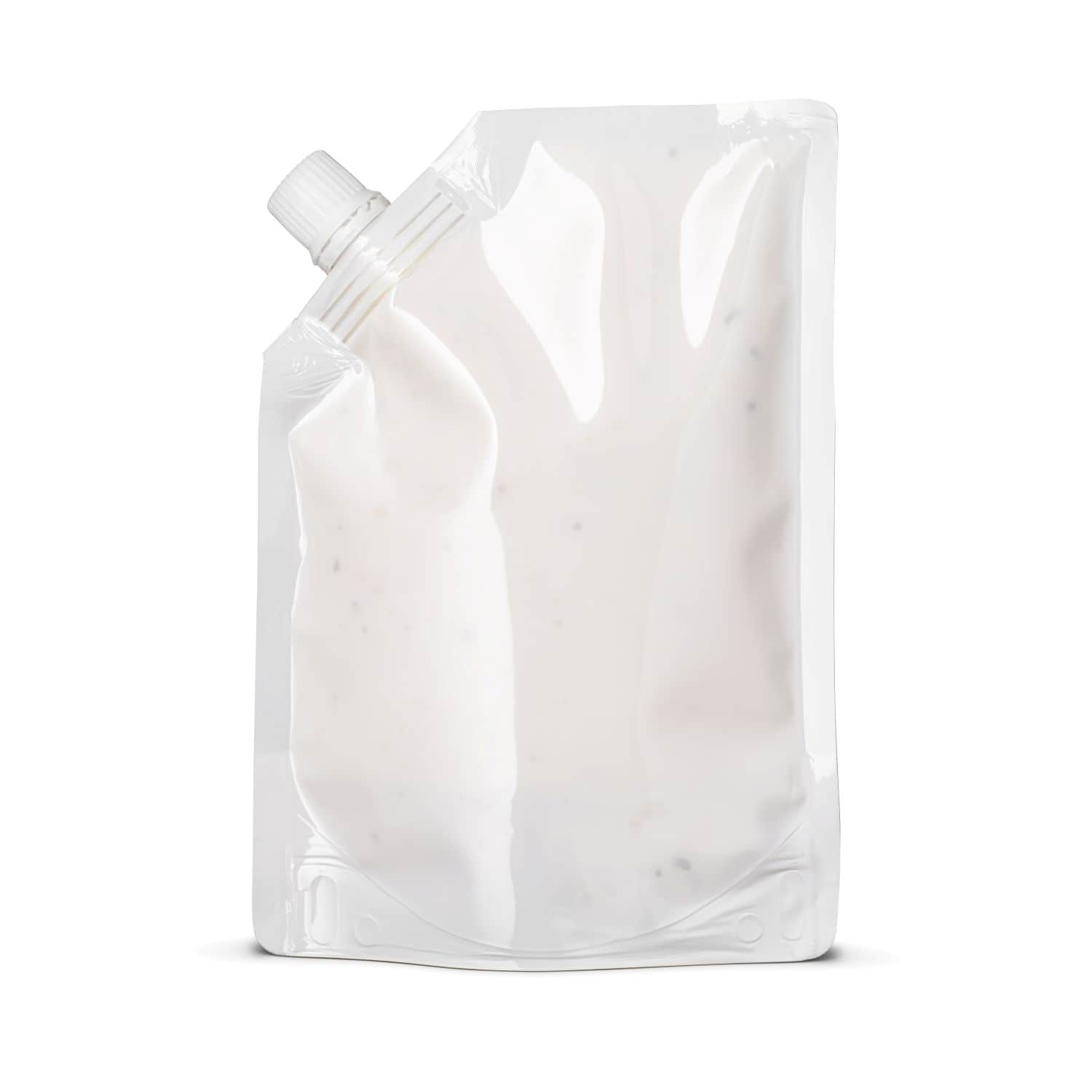
Choosing the right material for spout pouches plays a crucial role in product integrity, consumer appeal, and sustainable packaging strategies. For businesses engaging with spout pouch suppliers, understanding the diverse range of material options is fundamental to making an informed decision that aligns with product requirements and market demands. This comprehensive analysis provides a detailed breakdown of common and advanced materials offered by spout pouch suppliers, empowering decision-makers with insights grounded in material science and packaging technology.
The selection process for spout pouch materials extends beyond aesthetics and cost. Since spout pouches are widely used for liquid, semi-liquid, and powder products, their materials must meet specific criteria:
Spout pouch suppliers typically offer multilayer laminated films, combining various polymers, aluminum foils, and paper elements to optimize performance. Each option delivers a unique set of properties suitable for different applications.
These laminates are among the most widely used materials due to their excellent sealability, flexibility, and cost-effectiveness. Layers usually include polyethylene for heat sealing and polypropylene for structural strength. They provide moderate barrier properties suitable for products with short to medium shelf life.
Incorporating aluminum foil within the laminate structure offers superior barrier capabilities against oxygen, light, and moisture, which is essential for sensitive food products, pharmaceuticals, and chemicals. The foil layer also enhances mechanical strength, making the pouch ideal for long shelf life requirements.
Metallized polyester or polypropylene films provide high barrier properties with reduced thickness compared to aluminum foil laminates. They offer excellent print quality and a glossy finish while maintaining lightweight characteristics. Metallized films are a popular choice for snack foods and beverages.
Responding to sustainability trends, spout pouch suppliers now incorporate bio-based polymers such as polylactic acid (PLA) and cellulose-based films. These materials support compostability and offer a reduced carbon footprint. Although barrier properties are evolving, they are gaining traction in eco-conscious markets.
Beyond the base materials, attention to details such as film thickness, lamination technique, and spout integration method significantly influence pouch functionality.
Effective material choice requires aligning pouch material characteristics with product attributes and consumer expectations. For instance, liquid products with high acidity may require foil-based materials to prevent degradation, while dry powders could utilize cost-efficient laminates with sufficient mechanical strength.
Market trends increasingly emphasize convenience, portability, and eco-friendly packaging. Spout pouch suppliers often offer customizable solutions that balance these factors without compromising barrier and mechanical properties.
| Material Type | Barrier Performance | Mechanical Strength | Sustainability | Typical Applications |
|---|---|---|---|---|
| Polyethylene/Polypropylene Laminates | Moderate | Good | Conventional | Juices, sauces, non-perishable liquids |
| Aluminum Foil Laminates | Excellent | Very Good | Conventional | Pharmaceuticals, high-sensitivity food |
| Metallized Films | High | Good | Conventional | Snacks, beverages, dry products |
| Bio-Based Films | Developing | Moderate | High (Compostable) | Eco-friendly food packaging, beverages |
Engaging early with spout pouch suppliers during product development ensures the right material selection that meets regulatory and functional criteria. Suppliers often provide technical datasheets, prototype samples, and performance testing to support decision-making.
Understanding the nuances of spout pouch materials directly influences packaging performance, brand reputation, and consumer satisfaction. The ability to evaluate multilayer laminates and sustainability trends with clarity enables sourcing teams to tailor packaging to specific product needs and market positioning.
Selecting materials with an informed approach helps optimize cost-efficiency, enhances protective qualities, and supports evolving regulatory and environmental expectations.
Integrating the expertise of reliable spout pouch suppliers into the development process ensures practical, innovative solutions that keep products secure and appealing throughout their lifecycle.