
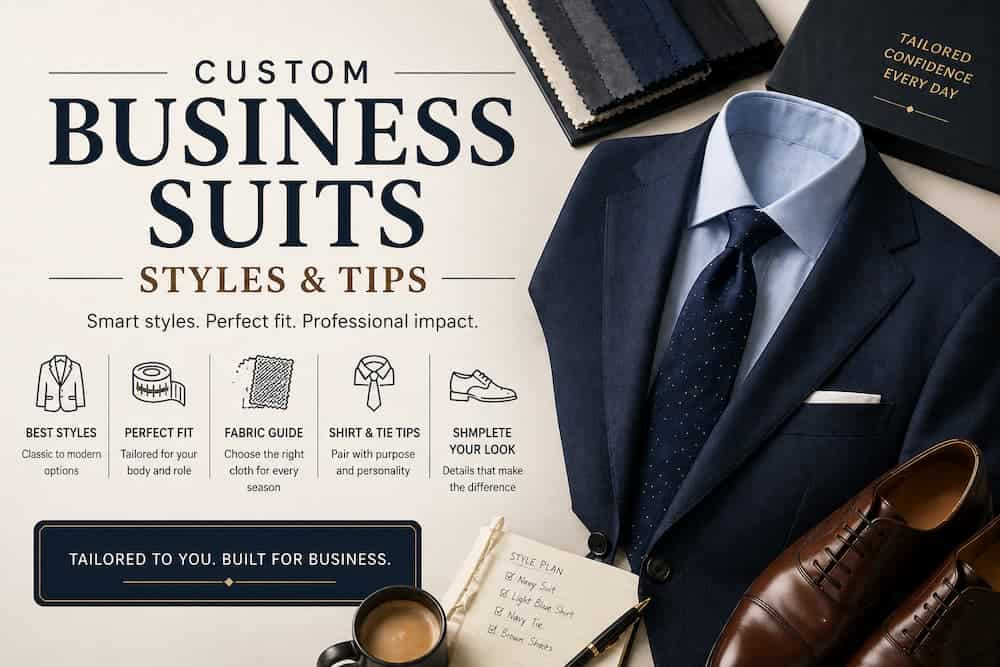
A business suit remains one of the most effective tools of professional presentation. Before introductions begin, before the first handshake, and before a presentation starts, clothing already communicates signals about discipline, confidence, attention to detail, and self-respect. While modern workplaces have become more flexible, the custom business suit still holds strong value across finance, law, consulting, sales, hospitality, leadership roles, and any environment where trust matters.
The difference today is that business dressing is no longer one-size-fits-all. Some formal offices expect formal tailoring. Others operate in smart-casual environments where a blazer and tailored trousers may be enough. Some professionals need lightweight suits for tropical climates, while others prioritize travel-resistant garments. This is where custom tailoring becomes especially valuable.
A custom business suit allows you to build clothing around your body, profession, climate, schedule, and image goals. Instead of forcing yourself into generic sizing, the garment is designed to work for you.This guide explores the best business suit styles, fit priorities, fabric choices, and practical tips for building a smarter professional wardrobe.
Even in more casual eras, tailoring remains relevant because business often depends on perception.
| Advantage | Why It Matters |
| Better fit | Greater comfort during long days |
| Better proportions | More flattering silhouette |
| Fabric choice | Match climate and schedule |
| Consistency | Easier daily dressing |
| Alterability | Long-term wardrobe value |
When worn regularly, custom clothing often provides better cost-per-wear than multiple mediocre alternatives.
Not every business environment requires the same wardrobe.
Examples:
Recommended style:
Examples:
Recommended style:
You need confidence plus warmth.
Recommended style:
Color selection determines versatility more than many buyers realize.
| Color | Best Use | Personality |
| Navy | Universal first suit | Trustworthy, sharp |
| Charcoal | Formal office use | Serious, authoritative |
| Mid Grey | Modern versatile option | Balanced, professional |
| Dark Brown | Softer executive style | Warm, refined |
For most professionals, navy remains the strongest first investment.
The ideal business suit should not only look good, it must survive real life.
| Fabric | Best For |
| Midweight wool | Most offices |
| Tropical wool | Hot climates |
| Wool blend | Travel convenience |
| Fresco/open weave wool | Humid cities |
| Flannel | Cooler climates |
A suit does not need to be tight to look modern. Fit should create structure while allowing movement.
The most important area.
Good shoulders:
Should allow easy buttoning without strain.
Light shaping is flattering. Extreme suppression is unnecessary.
Usually show a small amount of shirt cuff.
Should sit cleanly with appropriate hem length and enough comfort for sitting.
The safest and most versatile choice.
Sharper, more assertive, slightly more formal.
Not suitable for standard business use.
| Lapel Type | Business Suitability |
| Notch | Excellent |
| Peak | Strong in leadership roles |
| Shawl | Poor |
For first suits, notch lapels are usually ideal.
Build foundation with single-breasted first.
Depends on frequency of wear.
| Usage Pattern | Recommended Rotation |
| Daily office | 3–5 suits |
| Hybrid worker | 2–3 suits |
| Leadership frequent travel | 4+ plus separates |
| Occasional formal meetings | 1–2 versatile suits |
Rotating garments extends lifespan dramatically through reducing the rate of wear and tear.
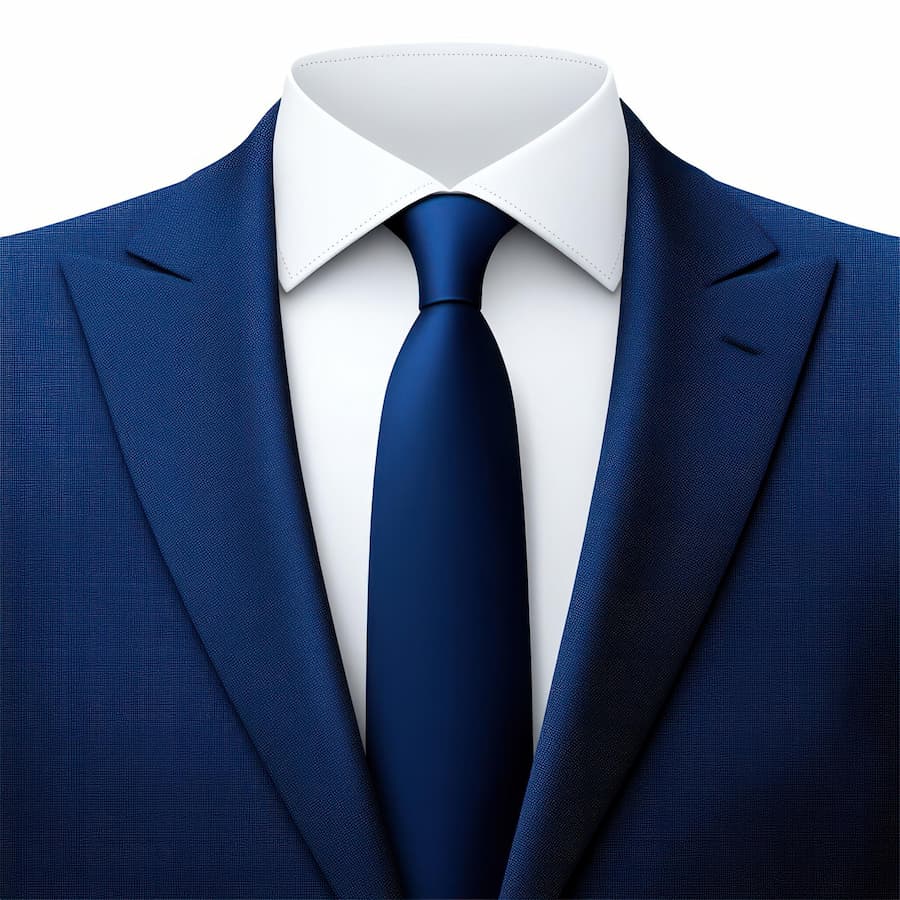
Covers interviews, meetings, presentations, events.
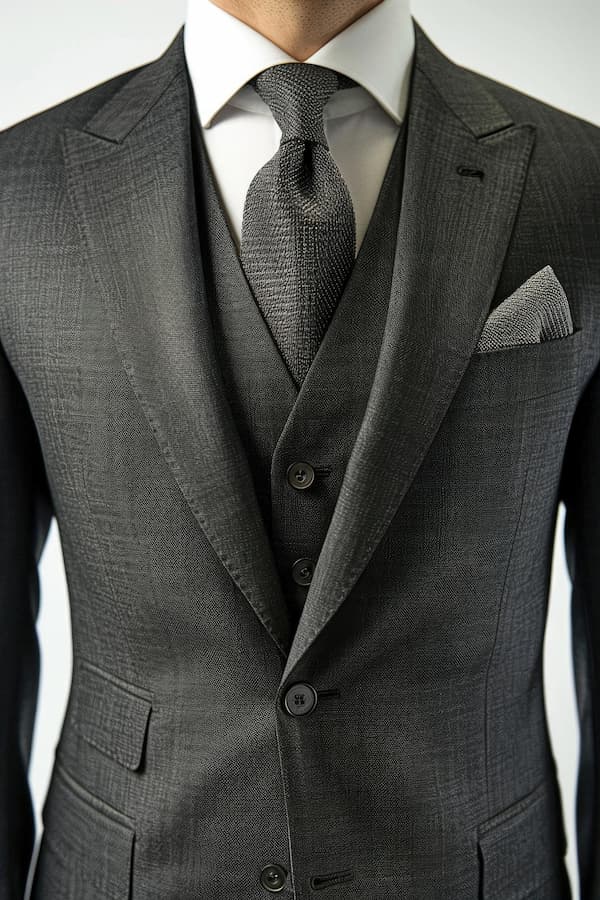
Adds seriousness and variety.
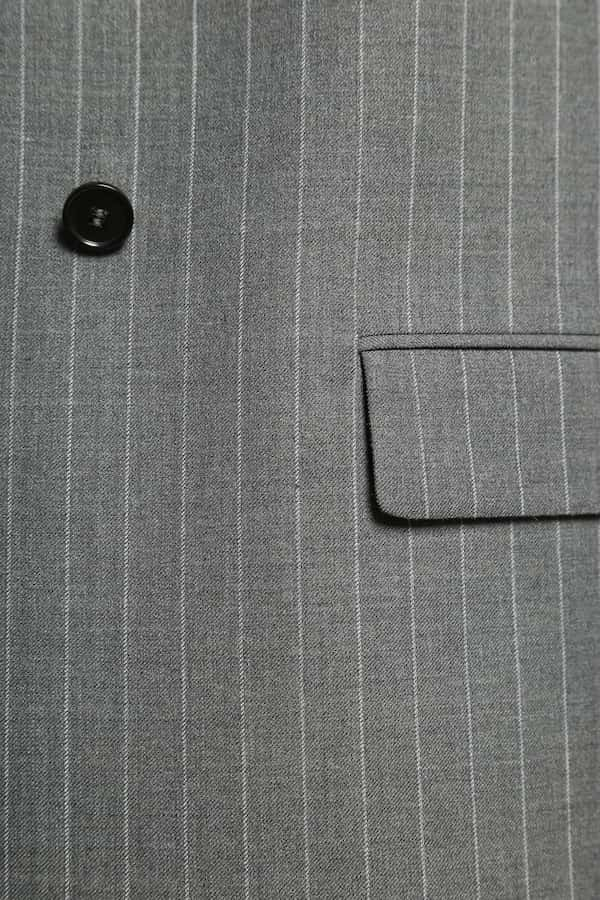
Expands styling options.
This trio can handle most professional needs.
Choose collars that suit your face shape and tie habits.
| Shirt Type | Quantity |
| White | 3+ |
| Light Blue | 3+ |
| Patterned | 2 |
| Seasonal options | 1–2 |
Ties remain optional in some offices, but useful in many settings.
Your shoes often determine whether the outfit feels polished.
| Shoe | Best Use |
| Black Oxford | Formal offices |
| Dark Brown Derby | Daily versatility |
| Brown Loafer | Relaxed offices |
| Monk Strap | Stylish business wear |
Well-maintained shoes elevate average tailoring.
Professionals in tropical climates need different priorities.
Comfort supports confidence.
Frequent travelers should choose practicality.
Hang immediately upon arrival and steam lightly.
Looks restrictive and dates quickly.
Less versatile than navy.
Many focus only on jacket fit.
Often reads lower quality instantly.
Rotations preserve garments.
When clothing fits properly:
These small advantages matter in competitive environments.
| Career Stage | Best Suit Strategy |
| Graduate / Entry | One navy suit + shirts |
| Mid-Level Professional | 2–3 suit rotation |
| Manager | Add charcoal + refined accessories |
| Executive | Broader rotation + premium fabrics |
Build gradually rather than buying randomly.
Not every workday requires full matching suits.
Use tailored separates when:
Example:
Well-kept suits maintain authority longer.
A business suit should do more than satisfy dress codes, it should support your career, confidence, and daily comfort. The right custom suit balances fit, practicality, climate needs, and timeless style rather than chasing trends. Whether you need one powerful first suit or a full professional rotation, working with experienced tailors can make the process far more efficient. In Bangkok, Jesse and Son is known for helping professionals build polished wardrobes suited to both image and function. If you are looking for a custom tailor in Bangkok option for business-ready clothing, starting with versatile suits and smart fit choices is an excellent investment.
Navy is usually the most versatile first choice.
Usually 2–5 depending on how often formalwear is required.
Usually less versatile than navy or charcoal for everyday business use.
Modern but comfortable fit is better than overly slim cuts.
Notch lapels are the safest and most versatile option.
Yes, with lightweight breathable fabrics and proper construction.
In many modern offices, yes.
Often yes, especially if suits are worn regularly.